

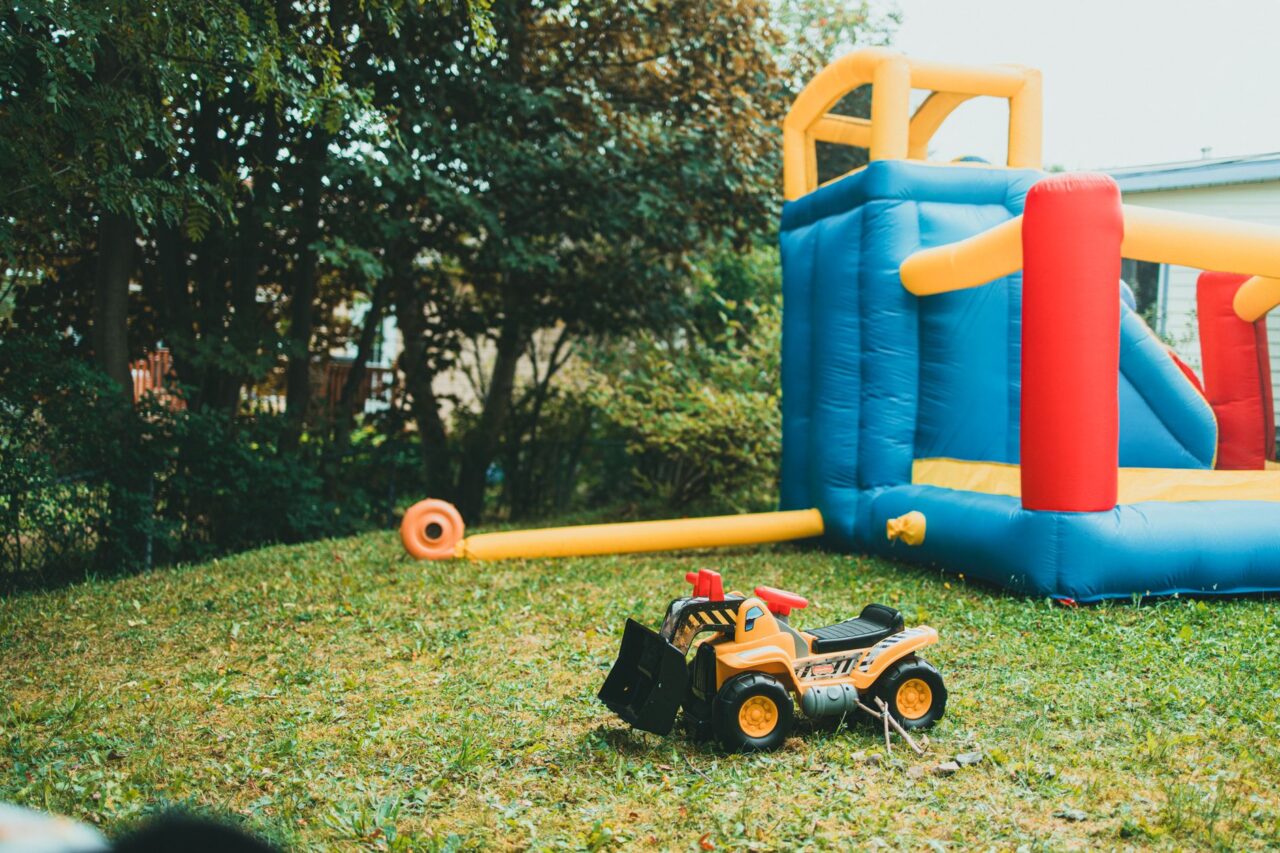
Inflatable Games Rental in Singapore
From bouncy castles and obstacle courses to bungee runs and sumo suits, we deliver, assemble and pack down inflatable fun for corporate functions, condo gatherings, school fairs and festive bazaars across the island.
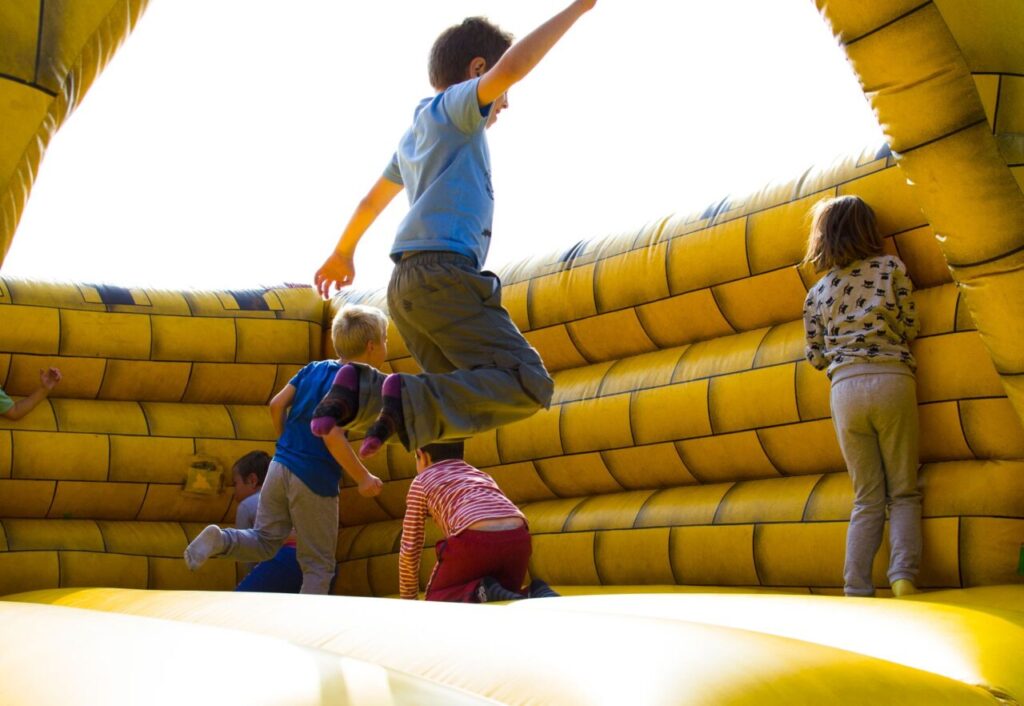

Inflatable games rental in Singapore spans bouncy castles, obstacle courses, bungee runs, sumo suits, human table football and inflatable slides, each supplied with delivery, setup, teardown and usually a trained attendant. What you pay depends on the size and number of units, how long you need them, and whether the setup sits indoors or outdoors. Before a unit goes up, most venues want proof of power access, enough ceiling or overhead space, and in some cases a permit from the town council or the landowner. Book two to four weeks ahead as a rule, and earlier still around school holidays and festive seasons.
- What an inflatable games rental covers
- Inflatable game types and formats to pick from
- Events that work well with inflatable games
- Space, power and surface needs
- Setting up indoors versus outdoors
- What inflatable games rental costs
- How the booking process runs
- Safety cover, insurance and staffing
- FAQ
Inflatable games rental: what's included
An inflatable games rental in Singapore is usually sold as a complete service rather than bare equipment. Expect delivery to your venue, on-site setup and inflation, and collection once the event wraps up. Most bookings also come with an attendant who stays through the session to manage the queue, check weight and age limits, and power down the unit quickly if weather turns rough. What typically sits outside the package is the venue booking itself, the power source and any permit needed. Those stay with you or the venue, so check who is responsible for each before signing anything.
Agencies tend to price by unit and by time block, often four hours or a full day, with the attendant and delivery either folded into one figure or listed as separate lines. Ask for a breakdown so you know how much covers staffing and how much is the equipment itself.
Inflatable game types and formats to pick from
The bouncy castle remains the top pick for birthday parties and family outings, generally built for younger kids with a weight and headcount cap printed on the safety label. Beyond that, the range of inflatable options has grown well past a single bouncy unit into something closer to a full activity corner.
- Obstacle courses, usually built in runs of 20 to 40 feet, work well as a timed team challenge at company events since scores can be compared between groups.
- Bungee runs, where competitors sprint against a stretchy cord clipped to a harness, are a favourite at school fun fairs and dinner and dance nights for the laughs they generate as much as the race itself.
- Sumo suits, commonly hired as a set of two to four padded suits with a cushioned mat, take up far less floor area than a full-sized inflatable structure.
- Human table football, an inflated pitch where eight to ten players stand in for the figures, suits groups wanting hands-on fun without physical contact.
- Inflatable slides, ranging from a single-lane version to a wider dual-lane model, usually pull the biggest crowd for photos at family-friendly carnivals.
Nearly every format comes in small, medium and large sizing, and a good agency will confirm the floor footprint and clearance height for each option before you lock in a size.
Events that work well with inflatable games
Inflatable games rental suits almost any gathering where you want an activity that runs itself once the attendant is in place. A handful of event types book these units again and again.
Corporate family days typically treat inflatables as the main activity zone while catering and other entertainment run nearby. Condo and MCST events tend to pick smaller formats, a single bouncy castle or a sumo suit set, since shared spaces are tight on room. School carnivals and fun fairs often bring in two or three units together to keep queues spread across the field. Festive bazaars, think Hari Raya, Deepavali and Chinese New Year gatherings, often combine inflatable games with cultural shows so the event has both a hands-on zone and a stage moment. For help planning a mixed programme like this, our cultural dance Singapore page and our event type guide explain how agencies order activities and performances across one event timeline.
Space, power and surface needs
Ceiling height and power access are the two things that trip up organisers most often. A mid-sized slide or obstacle course can demand overhead space taller than many void deck ceilings or function room false ceilings allow, so send the venue's exact clearance height to your supplier before settling on a unit size, not after the booking is confirmed.
Each blower pulls a constant electrical load, typically somewhere between 750 and 1,100 watts for as long as the unit runs, and it needs its own power point separate from any circuit carrying lighting or sound gear. If an outdoor venue has no power nearby, a generator is usually needed and billed as an extra.
Ground condition counts just as much. Inflatables need flat, clear ground, whether grass or smooth hard flooring, with stakes used outside and sandbags or weights used indoors or on concrete where stakes will not go in. Sloped ground, uneven surfaces, or spots with open drains or sharp edges usually mean the supplier turns the booking down or asks you to pick another spot on site.
Setting up indoors versus outdoors
Indoor setups are easier to plan around but tighter on room. You swap out weather risk for ceiling limits and floor protection, since most venues ask for a protective mat under the unit so the flooring doesn't get marked.
Outdoor setups free up space for bigger units but bring weather into the equation. A reliable supplier will set a wind speed limit beyond which the unit comes down and gets secured, and will ask you to arrange a backup, a tent or an indoor space, in case the outdoor plan gets rained out. If your venue sits on shared ground, an HDB void deck, open field or condo grounds, check with the town council, National Parks or the MCST on whether a permit is needed before the supplier arrives. That approval sits with the organiser, not the rental company.
What inflatable games rental costs in Singapore
Five factors drive the price: how big the unit is, how many units you book together, how long you need them for, whether setup is indoor or outdoor, and whether an attendant is part of the deal. Weekends, public holidays and busy stretches like school holidays and the year-end season usually land at the higher end, since both demand and staffing costs climb. The figures below are indicative only. Always get a written quote matched to your date, venue and chosen unit size.
| Unit type | Typical footprint | Indicative price range (per booking) |
|---|---|---|
| Small bouncy castle | Roughly 12ft by 12ft | Sits at the lower end of the market, confirm with your supplier |
| Sumo suit set (2 to 4 suits) | Compact mat footprint, little space needed | Lower to mid range |
| Obstacle course | 20ft to 40ft in length | Mid range, price scales with length |
| Bungee run | Roughly 30ft in length | Mid range |
| Human table football | Fits 8 to 10 players | Mid range |
| Multi-unit package (3 to 4 games) | Footprint depends on the combination chosen | Upper range, normally quoted as one package |
Add-ons that catch first-time bookers off guard tend to be delivery distance, extra setup time for venues with tricky access, and overtime charges once you run past the agreed hours. Check in advance whether overtime is billed hourly or in half-day blocks.
How the booking process runs
Booking an inflatable games rental generally follows the same steps: lock in your date and venue, pass on venue details such as ceiling height, flooring and power points, pick units to suit your headcount and age mix, request a written quote with setup and pack-down times, then sign the contract and pay the deposit. Suppliers typically want setup access one to two hours before guests walk in, and the pack-down window afterwards should be built into your venue booking so the venue itself doesn't charge you overtime.
Give yourself more lead time than you think you need. Two to four weeks ahead usually works for one unit on a weekday. School holidays, December, and the weeks before Chinese New Year or Hari Raya are the busiest stretches, where sought-after sizes and attendants can be fully booked six to eight weeks out. If your event also has a stage line-up, our act type page explains how performance acts and activity rentals like these are usually scheduled so they don't pull the same crowd at the same moment.
Safety cover, insurance and staffing
A trained attendant comes standard with most units bigger than a basic bouncy castle, and many suppliers treat this as a contract condition rather than an optional extra, since the attendant is who enforces weight caps, shoes-off rules and keeps younger and older kids apart on shared units. Ask whether the supplier's public liability cover runs for the full rental window and whether it covers the attendant on site, not just the inflatable itself.
Go through the cancellation and weather clauses carefully before you sign anything. Our terms and conditions page sets out the kind of standard deposit, rescheduling and booking terms that apply across our rental and performance bookings, and it is worth asking any supplier you are considering for their equivalent before any deposit changes hands.
The costliest slip-up: confirming a unit before checking the venue
The priciest mistake we come across is paying a deposit and locking in a unit size before checking the venue's ceiling clearance, floor surface and power points. If the unit turns out too big, or there is no usable power point on the day, you may still owe cancellation or downsizing fees, and the supplier is left scrambling for a last-minute swap. Send exact measurements and photos of the venue to your supplier before confirming a size, not after the deposit is paid.
Frequently asked questions
What does it cost to rent inflatable games in Singapore?
Cost comes down to unit size, how many units you need, the duration, whether setup is indoor or outdoor, and whether staffing is bundled in. Small single units land at the lower end of the market, while obstacle courses, bungee runs and multi-unit packages for a full day cost more. Weekend and peak season dates typically carry a higher price than weekday bookings. Always ask for a written quote tied to your exact date and venue rather than going off a general price sheet.
Do bouncy castles need a permit in Singapore?
It depends on where the event is held. Events at a private venue or inside a booked function room usually need no separate permit beyond the venue's own booking terms. Events on shared property such as HDB void decks, open fields or condo common areas may need sign-off from the town council, National Parks or the MCST. Check with the relevant landowner or managing body before you book, since this responsibility sits with the organiser rather than the rental supplier.
How much floor space do inflatable games need?
This varies by unit. A small bouncy castle needs roughly a 12ft by 12ft flat area plus clearance around the sides for stakes or weights. Obstacle courses and bungee runs need considerably more length, often 20ft to 40ft, plus a buffer zone at either end. Confirm the exact footprint and ceiling height against your actual venue measurements with the supplier before booking a size.
Can inflatable games be set up indoors?
Yes, many units run indoors in function rooms, halls and event spaces, as long as there is enough ceiling clearance and a suitable power point nearby. Indoor setups usually call for protective flooring mats to keep the venue floor from getting marked. Larger units such as tall slides or multi-lane obstacle courses are more likely to hit ceiling limits indoors, so these tend to be set up outdoors or in venues with higher ceilings.
How early should I book inflatable games?
Two to four weeks ahead is usually enough for a single standard unit on a weekday. During school holidays, December, and major festive periods such as Chinese New Year or Hari Raya, popular units and attendants can be fully booked six to eight weeks out, so booking early protects your preferred date and size.
Does the rental come with a staff attendant?
Most suppliers include a trained attendant for units bigger than a basic bouncy castle, and many treat this as a contractual requirement rather than an optional extra, since the attendant handles weight limits, age separation and safe shutdown in poor weather. Always confirm whether the attendant's cost is folded into the quote or billed as a separate line before you sign.
What if it rains on the day of an outdoor booking?
Reliable suppliers set a wind speed and rain threshold beyond which the unit must be deflated and secured, no matter what the event schedule looks like. Organisers running an outdoor event should have an indoor or tented backup space agreed beforehand, and should check the supplier's weather and cancellation clause ahead of the event rather than on the day itself.
Which age groups can use inflatable games?
This depends on the unit. Standard bouncy castles are usually rated for younger children, with a weight and height limit stated on the safety card. Obstacle courses, bungee runs and human table football are generally built for a wider age range covering teens and adults, which is why corporate events and family days often book a mix of units to suit different age groups at once.
Want to book inflatable games for your event?
Tell us your venue, headcount and date and we will put together a quote with the right unit sizes and staffing for your space.
Get a Free Quote