

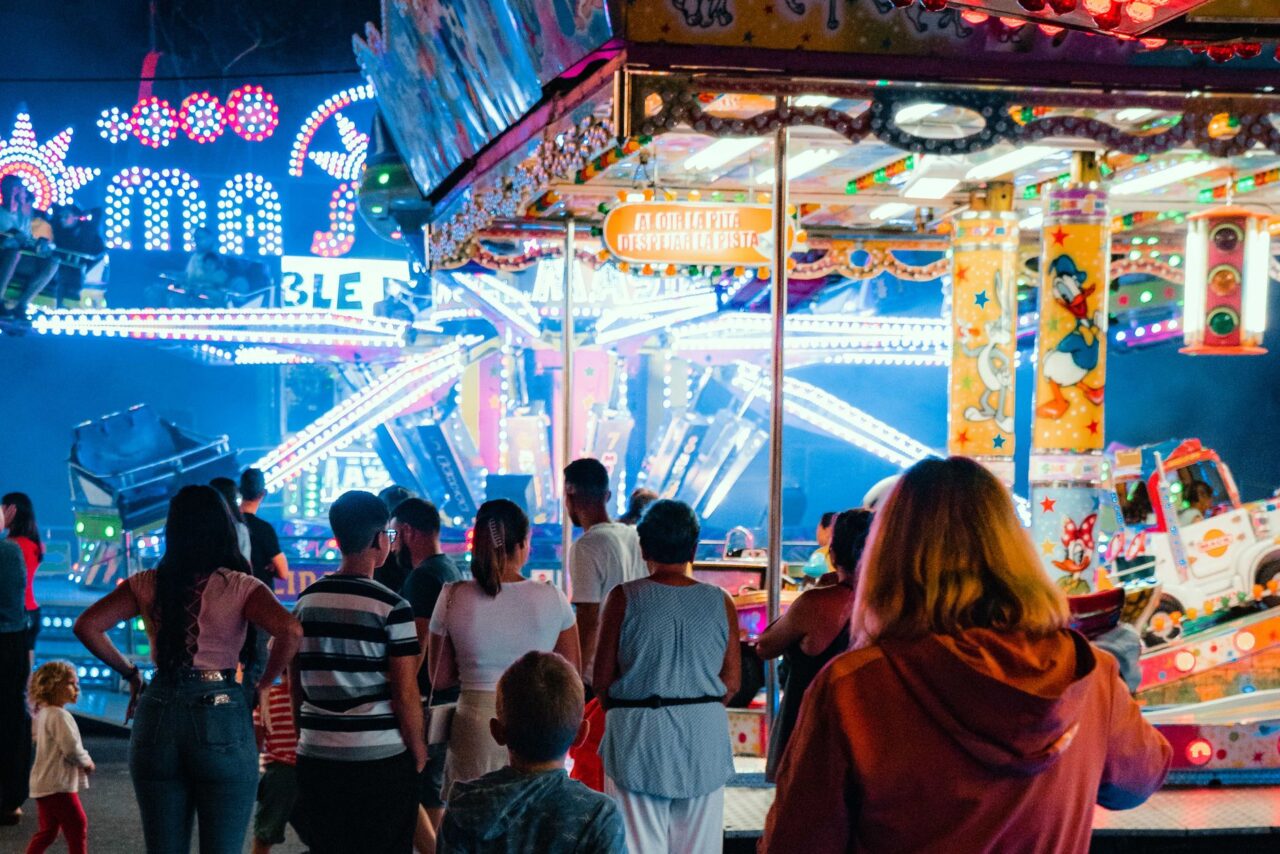
Carnival Rides Rental in Singapore
From mini ferris wheels and carousels to bumper cars and inflatable play structures, each ride arrives with its own crew, gets built on site and is run by a trained attendant for the length of your event.
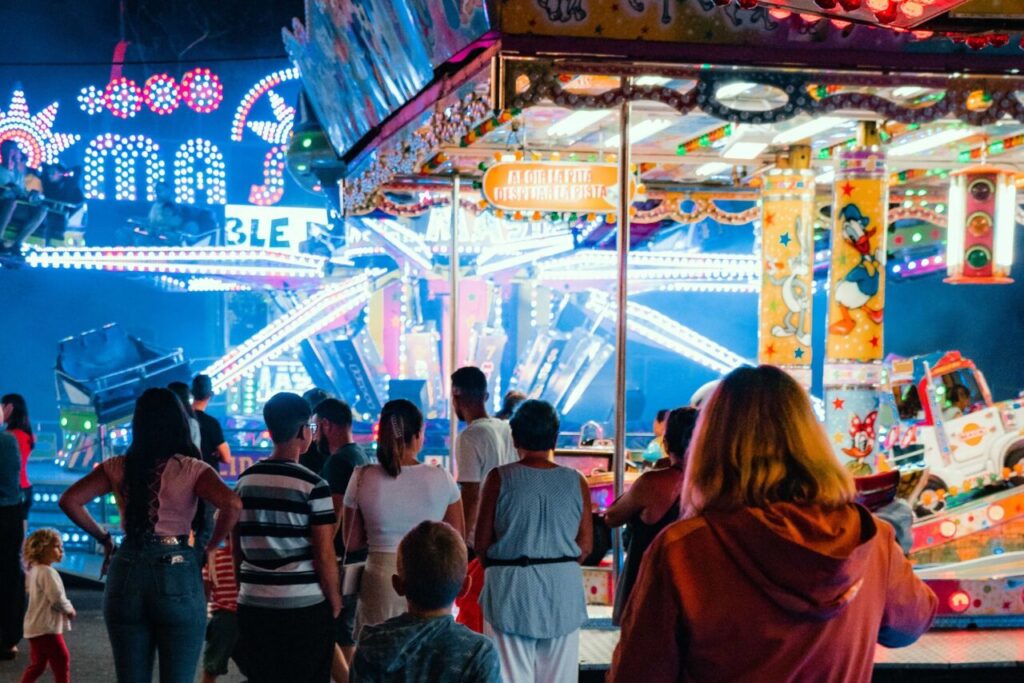
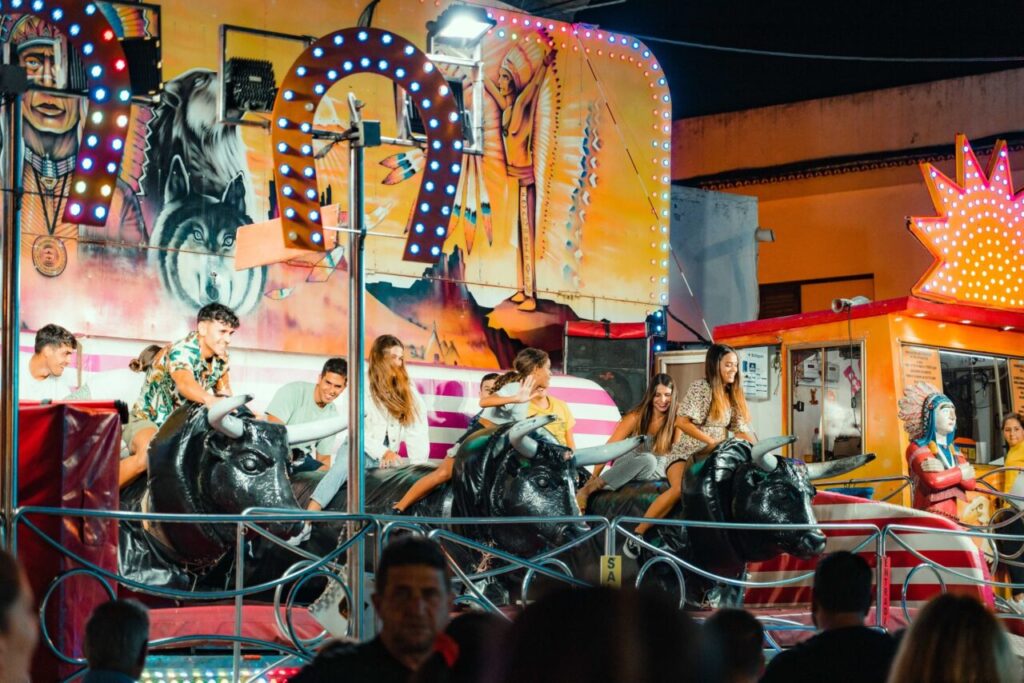
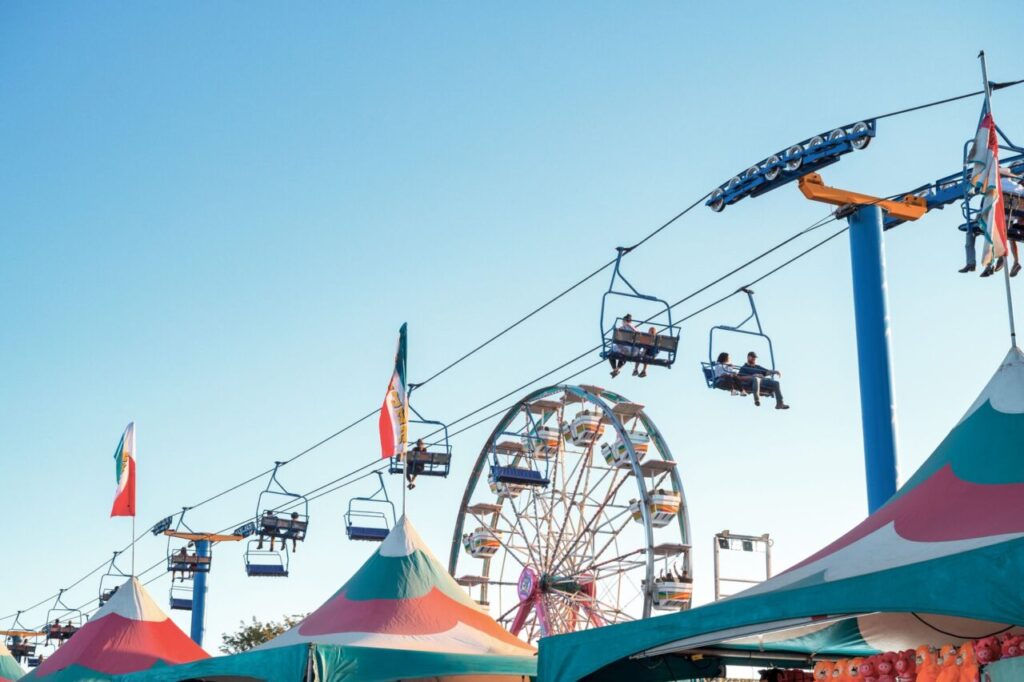
In Singapore, carnival ride rental typically includes attractions such as mini ferris wheels, carousels, trackless trains, bumper cars and mechanical bulls, with delivery, on-site build, an attendant and pack-down all bundled into the price. You are almost always paying for time rather than ownership, so quotes are built around an hourly block or a half day or full day session. What moves the final number is the size of the ride, how many units you add to the list, what the venue's floor and power can support, and whether the setup sits indoors or out in the open. Before you commit to a ride list, check your venue's weight limits, power points and whether any permit applies.
- What qualifies as a carnival ride for an event
- Occasions where carnival rides work well
- Floor space, ground type and power you will need
- Factors that shape carnival ride rental cost
- What happens from enquiry to breakdown
- Permits, on-site safety and insurance cover
- A costly planning error worth avoiding
- FAQ
What qualifies as a carnival ride for an event
When people talk about carnival rides for events in Singapore, they usually mean a short list of fairground attractions scaled down to fit a function hall, condo plaza, school field or company compound rather than an actual theme park. The usual line-up includes a mini ferris wheel, a carousel, a trackless train, bumper or dodgem cars, teacup rides, a mechanical bull, and inflatable slides or obstacle runs. Most local suppliers, ours included, will rent these as single units or group two to four together as a package for one event.
You are not buying a self-assembly kit. Every booking comes packaged with delivery to site, assembly by the supplier's crew, a trained operator stationed at the ride for the whole session, and teardown once the event wraps up. This is rarely negotiable, partly because insurance terms require it and partly because rides such as bumper cars or the mechanical bull need someone actively managing the queue and timing each turn.
2. Where they fitOccasions where carnival rides work well
The bookings we see most for carnival rides rental in Singapore are company family days, school and church fairs, condo or RC funfairs, mall activations, and festive season events run in a hall or an open plaza. They also turn up at weddings and product launches, usually as a photo spot that draws guests over rather than as the centrepiece of the programme.
A simple way to match rides to your event type:
- A family day spanning several age groups: pair a mini ferris wheel with a carousel and a bouncy castle so toddlers and adults both have something to do.
- An adult-focused office event: a mechanical bull or bumper cars usually get the biggest reaction on camera and need less queue planning than a multi-ride setup.
- A school or church fair on a tight budget: settle on one anchor ride, often the carousel or a trackless train, and spend the rest on games booths.
- A mall or brand activation: go for a compact single unit such as a small carousel or teacups, sized to the atrium and chosen to pull foot traffic past the booth.
If your planning covers more than just the rides, our event type guide lists what else tends to get booked for the same kind of occasion, and the act type overview runs through performers that work alongside a carnival corner, stilt walkers and live bands among them.
Floor space, ground type and power you will need
Three things decide whether a ride can even go into your venue: footprint, ground condition and power draw. Sort these out before you lock in the location. A mini ferris wheel or carousel wants a flat, level surface, ideally hardstanding such as a car park, lawn built for events or an indoor hall floor rather than soft or sloping turf. A mechanical bull needs its own floor area plus an inflatable safety mat circling the whole ride, so the real space required is bigger than the unit itself looks. Bumper cars call for an enclosed, flat rink and are usually the bulkiest option on the list.
Power is where most organisers slip up. A household 13A outlet is fine for a small ride like teacups, but a mini ferris wheel, carousel or bumper car rink generally wants a dedicated single-phase or three-phase line. Where the venue cannot supply that, a generator gets hired alongside the ride and that shows up on the quote. Raise this with the supplier when you send the venue floor plan, not once the truck has already arrived on site.
Indoor halls bring their own limits: ceiling height for anything tall like a ferris wheel, floor loading caps for wheeled or tracked units, and whether there is a loading bay or lift to bring the parts in. Outdoor sites bring weather into the equation instead, since most inflatables and powered rides cannot safely run through heavy rain or strong wind, so the booking should spell out what happens if the day gets washed out.
| Ride type | Typical footprint | Power need | Best suited to |
|---|---|---|---|
| Mini ferris wheel | Medium to large, needs overhead clearance | Dedicated single or three-phase | Outdoor family days, carnivals |
| Carousel | Medium, circular footprint | Single-phase, confirm with supplier | Family days, school fairs, malls |
| Bumper cars | Large, enclosed rink | Three-phase usually required | Large outdoor events, carnivals |
| Mechanical bull | Ride plus surrounding safety mat | Single-phase | Corporate parties, adult events |
| Trackless train | Needs a running loop or circuit path | Fuel or battery, low power | Large compounds, condo grounds |
| Inflatable obstacle course | Long rectangular footprint | Single-phase blower | School carnivals, kids' zones |
These figures are a starting point for planning, not a fixed spec sheet. Footprint and power draw shift from one supplier's unit to the next, so get the exact measurements and power rating for the specific ride model you are booking before the venue layout gets finalised.
Factors that shape carnival ride rental cost
We cannot hand out a blanket rate here, since carnival ride rental pricing in Singapore shifts on a combination of factors and differs from one supplier to the next, so always ask for a quote tied to your actual date and venue. The things that reliably move the price:
- Size and type of ride. A small inflatable or teacup ride sits well below the cost of a mini ferris wheel or a full bumper car rink.
- Length of the session. Rides are typically quoted per block, commonly 2 to 4 hours, a half day or a full day, and longer blocks cost more without rising in a neat straight line.
- How many rides you book together. A package of two or more rides is often cheaper per ride than hiring a single unit, since the crew is already on site.
- Indoor or outdoor venue. Outdoor setups on grass or rough ground, or anywhere needing a generator, run above a flat indoor hall that already has power points.
- Staffing needs. Bigger rides and busier ones such as bumper cars need more than a single attendant, which adds to the labour side of the quote.
- Access and distance for delivery. A venue without a direct loading point, or one needing gear hauled up stairs or through tight corridors, takes longer to rig and costs more.
- Timing within the week or year. Weekends, public holidays and the run-up to major festive dates are in higher demand and priced that way, so book those windows earlier.
A sensible way to set a budget: work out your headcount and age spread first, choose one ride that fits that crowd, then only add a second if the venue and power supply can genuinely handle it. Squeezing in a ride you cannot properly power or fit causes more headaches than going slightly over budget.
What happens from enquiry to breakdown
Booking carnival rides in Singapore follows roughly the same path no matter which supplier you go with. You pass on your event date, venue, expected headcount and rough budget. The supplier then asks for venue specifics, a floor plan, power points, ceiling height for indoor spaces, and loading access, sometimes with a request for photos or a site visit if the rides are on the larger side. Once the ride list and footprint are settled, a quote is drawn up and a deposit holds the date.
- Initial enquiry: share your date, venue, headcount and which rides or theme you have in mind.
- Venue assessment: power supply, ground surface, access points and any building rules get checked against what the ride requires.
- Quote and deposit: a written quote covers delivery, build, operator and breakdown, with a deposit to secure the booking.
- Load-in: crews generally need several hours before guests arrive to assemble and safety-check the rides, longer still for bigger units like a ferris wheel or bumper cars.
- Running session: the attendant operates the ride for the agreed duration and keeps the queue moving.
- Pack-down: teardown happens right after the session ends or the next morning for larger setups, depending on the venue's curfew.
If performers are being booked for the same event, it pays to sort out the timing in one conversation. A supplier that handles both rides and talent, as we do, can line up a ride's load-in with a performer's soundcheck so the two teams are not fighting over the same loading bay at once. Acts such as dancers in Singapore or a themed Bollywood dance performance sit well alongside a carnival corner at a family day or festive event, giving the programme a stage moment on top of the rides rather than two bookings competing for attention.
Permits, on-site safety and insurance cover
Permit requirements come down to where the event is held, not the ride itself. Private property, such as a condo function space or a company's own grounds, is normally cleared through building management or the MCST rather than any government body. A public park, open field or road reserve usually needs a permit from the relevant land authority or town council, and that is generally sorted by the event organiser or the venue rather than the ride supplier. Settle who owns this task before the booking is confirmed, since a missing permit tends to surface at the worst possible moment if nobody has claimed it.
On the day, safety sits with the operator. A trained attendant should stay with the ride for the entire session, not just during setup, and should hold firm on any height or weight limits, especially for the mechanical bull, bumper cars and anything with moving parts. Ask the supplier plainly whether both the ride and its operator fall under public liability insurance, and request proof of inspection or certification if your venue or risk assessment calls for it. A supplier worth using will have these documents ready without being asked twice.
A costly planning error worth avoiding
Locking in the deposit before the ride list and venue are confirmed against each other, rather than the other way round. The error that costs the most is finding out on load-in day, with guests due in a few hours, that the venue cannot actually support the mini ferris wheel or bumper cars once power, floor loading or ceiling height are checked properly. Send the floor plan and power points to the supplier before anything is confirmed, not after.
Frequently asked questions
What does carnival ride rental typically cost in Singapore?
There is no single figure to quote, since the final cost depends on the ride chosen, how long the session runs, the number of rides booked and whether the venue is indoor or outdoor. A teacup ride or small inflatable sits well below the price of a mini ferris wheel or a bumper car rink. Ask for a written quote tied to your own venue and date, as pricing is not uniform across suppliers.
Will a carnival ride fit inside a function hall?
Many rides, carousels, teacups and inflatable attractions among them, are set up indoors in halls and atriums regularly, as long as the ceiling height, floor loading and power supply all work out. Larger units like a full-size mini ferris wheel or a bumper car rink need more clearance and floor area, so check the venue's actual dimensions against the ride's specifications before booking.
Is a permit needed to run carnival rides at my event?
That depends on the land the event sits on, not the ride itself. Private venues such as a condo compound or company building are usually cleared through building management rather than through a formal permit. Public land or parks typically need a permit through the relevant authority, usually arranged by whoever is organising the event. Confirm who is handling this with your venue before the ride is booked.
How much floor space does a mini ferris wheel take up?
A mini ferris wheel needs a medium to large flat footprint along with overhead clearance, making it one of the taller units in a typical ride package. Measurements vary between models and suppliers, so ask for the exact footprint, height and ground requirement for the specific unit you are considering and match it against your venue before confirming the date.
How early should carnival rides be booked for an event in Singapore?
Book as soon as your date is fixed, especially for weekends, public holidays and the festive period when both rides and operators are in higher demand. Popular units such as the mini ferris wheel and bumper cars tend to get snapped up first during busy stretches. A reasonable window is several weeks to a few months ahead, more for a larger multi-ride package.
Do carnival rides work for condo or RC family day events?
Yes, condo family days and residents' committee carnivals are among the most common bookings for carnival ride rental in Singapore. Smaller rides such as a compact carousel, teacups or an inflatable obstacle course generally suit a condo lawn or multipurpose hall, while bigger rides such as a ferris wheel or bumper cars need more open ground, so check available space with the supplier first.
What kind of power supply do the rides run on?
Smaller rides such as teacups can sometimes manage on a household socket, but most rides, including the mini ferris wheel, carousel and bumper cars, need a dedicated single-phase or three-phase supply. If the venue does not have this, a generator is hired in alongside the ride, adding to the overall cost. Check the exact power rating with your supplier ahead of the event.
Does the rental price include a ride operator?
Yes, every ride comes with a trained operator who handles setup, runs the ride for the full booked session, enforces any height or weight restrictions and manages breakdown afterwards. This is standard practice among established suppliers in Singapore, driven by both safety and insurance requirements, and these rides are not generally offered as a self-run option.
Planning a carnival-themed event?
Tell us your date, venue and headcount and we will put together a ride and entertainment line-up that fits your space and budget.
Get a Free Quote